




Kirk Brothers Chevrolet of Vicksburg

Blog / Seasonal Vehicle Care

Get Winter-Ready: Essential Tips to Winterize Your Chevrolet

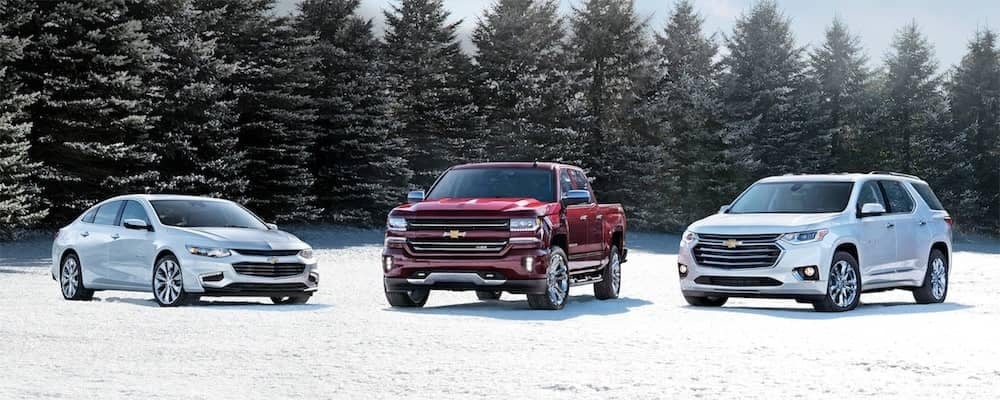
Chevrolet lineup

Are we ready to tackle the winter roads?

At Kirk Brothers Chevrolet of Vicksburg , we've got you covered with essential tips to winterize your Chevy. We'll guide you through checking fluids, inspecting your battery, and switching to winter tires.

Let's ensure your car's exterior is protected and your emergency kit is prepped.

Join our community of prepared drivers; together, we'll make sure you're equipped to face the chill with confidence.

Key Takeaways

  • Proper fluid maintenance is essential for peak performance and longevity of your Chevrolet vehicle during the colder months.

  • Inspecting and refreshing vital fluids, measuring antifreeze strength, and checking other fluids like oil, transmission fluid, brake fluid, and power steering fluid are important steps to ensure optimal vehicle functionality.

  • Battery inspection, including testing the battery voltage, checking for corrosion, assessing charge capacity, and inspecting connections, is crucial to ensure your Chevrolet can handle the demands of cold weather.

  • Installing winter tires, with their unique rubber compounds and tread designs, is necessary for enhanced traction and safety in icy conditions. It's important to regularly check tire tread depth and adjust tire pressure for optimal vehicle stability and fuel efficiency.

Check and Replace Fluids

We must inspect and refresh your Chevrolet's vital fluids to ensure peak performance during the colder months. Proper maintenance of fluid levels is crucial, as they play a pivotal role in your vehicle's functionality.

Antifreeze, or engine coolant, is particularly important. Its strength and concentration must be adequate to prevent freezing and ensure corrosion protection for your engine components. We'll measure the antifreeze strength with a hydrometer or refractometer, ensuring it meets the specifications for your specific Chevrolet model.

Additionally, we'll check the oil, transmission fluid, brake fluid, and power steering fluid. Cold weather can affect their viscosity and performance. We'll top up levels if necessary and recommend a change if the fluids are no longer effective. Remember, these fluids are the lifeblood of your vehicle; maintaining them isn't just about longevity but also about ensuring you're part of the Chevrolet family, who can depend on their vehicles in all seasons.

Let's work together to safeguard your Chevrolet's reliability this winter. Trust in our expertise to keep you and your beloved car in harmony with the challenging winter roads.
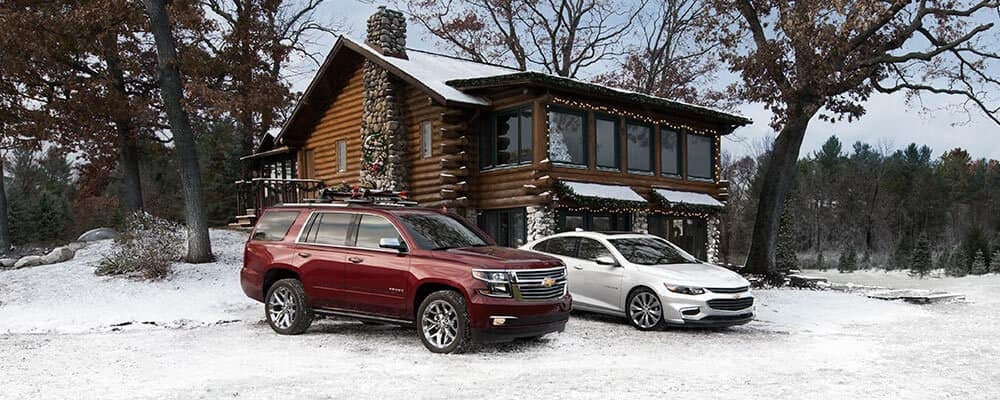
Chevrolet in winter

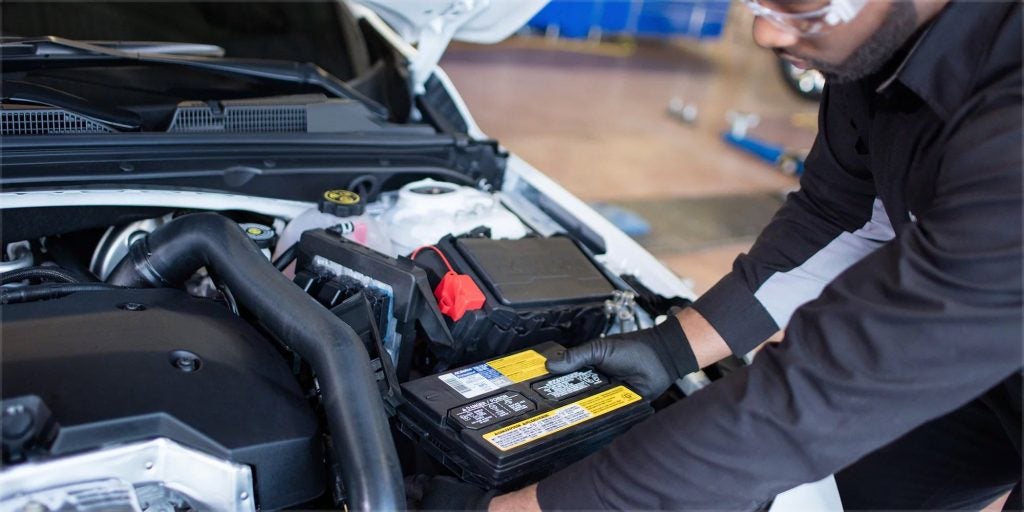
Inspect Your Battery

As the temperatures drop, it's crucial that we examine your Chevrolet's battery to ensure it has the strength to withstand the winter chill. Battery health isn't just about having enough charge to start your engine but also ensuring that the charge capacity remains consistent even in the coldest conditions.

To keep you feeling part of the Kirk Brothers Chevrolet family, we'll guide you through the key steps to maintain your battery:

  • Test the Battery: We'll check the voltage to make sure it's holding an adequate charge.

  • Inspect for Corrosion*: Any signs of white or green buildup can indicate a problem that we'll need to address.

  • Assess Charge Capacity: Cold weather demands more from your battery; we'll ensure it's up to the task.

  • Check Connections: Loose or dirty connections can impede performance; we'll tighten and clean as necessary.

  • Consider Age: If your battery is over five years old, it might be time to think about a replacement.

We're here to ensure that every part of your Chevrolet is winter-ready . With our technical expertise and professional service, you can trust that your vehicle will be as prepared as you are for the winter roads ahead.
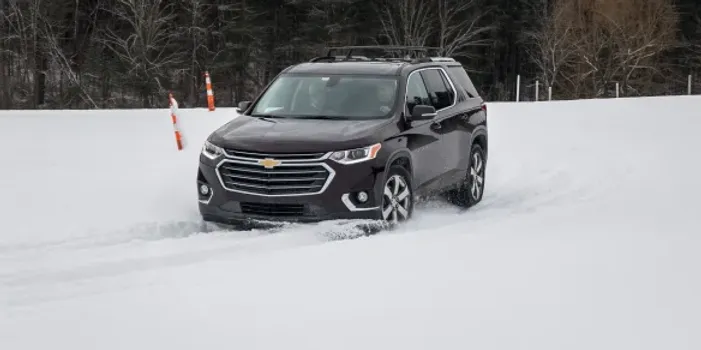
Chevrolet

Swap to Winter Tires

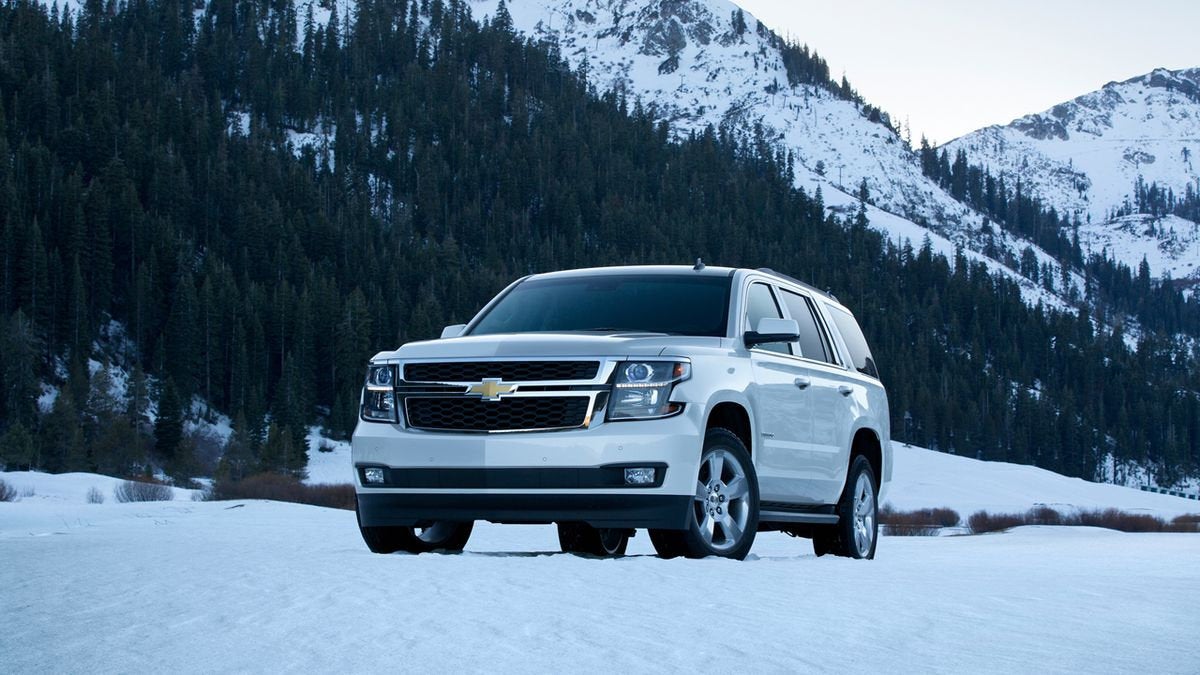
While ensuring your battery is in top shape, it's also critical that we switch your Chevrolet to winter tires for enhanced traction and safety in icy conditions. The unique rubber compounds and tread designs of winter tires are specifically engineered to perform in cold, snowy, and slippery environments.

We know that you're part of a community that values safety and preparedness, so let's make sure we're all on the same page about the importance of tire tread in these harsh winter months. Tire tread depth is paramount for maintaining grip on snow-covered roads. As part of our winterization process, we'll examine the tread depth to ensure your vehicle has the necessary traction.

A pressure check is equally important when temperatures drop. Cold air can decrease tire pressure, which in turn can compromise vehicle stability and fuel efficiency. We'll adjust the pressure to optimal levels so you can drive with confidence, knowing that your tires are in peak condition.
Chevrolet

Protect Your Exterior

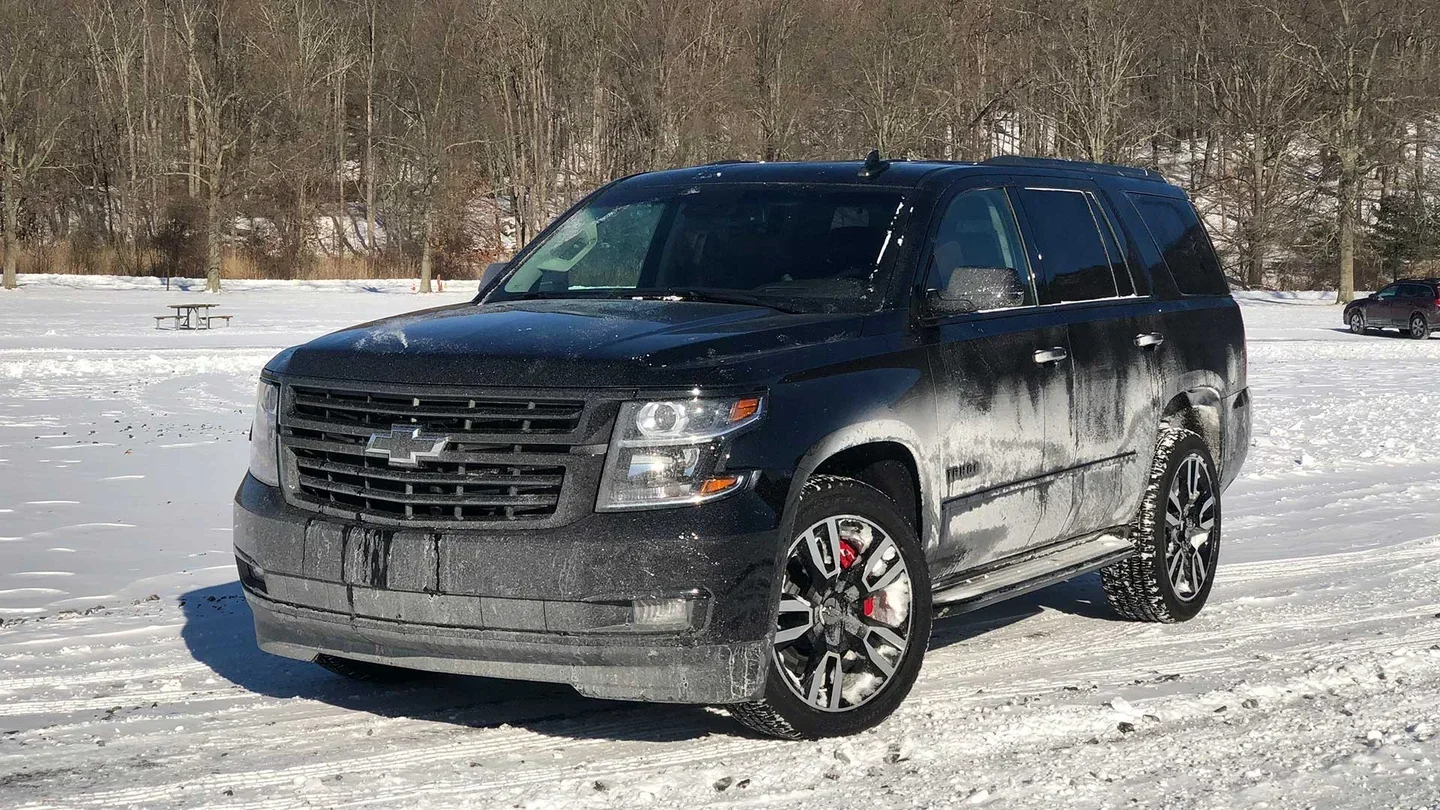
Transitioning from tire care to protecting your Chevrolet's exterior is another crucial step in winterizing your vehicle against the harsh elements. We understand that keeping your car's exterior in top condition is paramount, not only for aesthetic reasons but also to safeguard its value and longevity. Here are our top tips for exterior care:

  • Apply a High-Quality Wax: A good layer of wax adds a protective barrier against road salt and grime, which is crucial for paint protection.

  • Seal Undercarriage: Rust prevention starts with treating the undercarriage to shield it from salt corrosion.

  • Use Rubberized Undercoating: This helps to further prevent rust and protect against the small dings and scratches from icy debris.

  • Invest in Mud Flaps: Fitting mud flaps can minimize the spray of slush and grit onto your vehicle's body, reducing the risk of rust and paint damage.

  • Regular Washes: Keep the exterior clean with frequent washes, paying special attention to the underbody to remove any salt or dirt buildup.

As members of the Chevrolet family, we're dedicated to helping you maintain your vehicle in pristine condition. Adopting these measures will ensure your Chevrolet braves the winter while preserving its gleaming facade.
Chevrolet

Prepare an Emergency Kit

Moving on to safety essentials, we're highlighting the importance of preparing an emergency kit tailored for winter conditions to keep in your Chevrolet. In the event of an unexpected breakdown, having a well-equipped kit can be lifesaving. It's not just about having the tools; it's about ensuring you're ready for the unpredictable nature of winter travel.

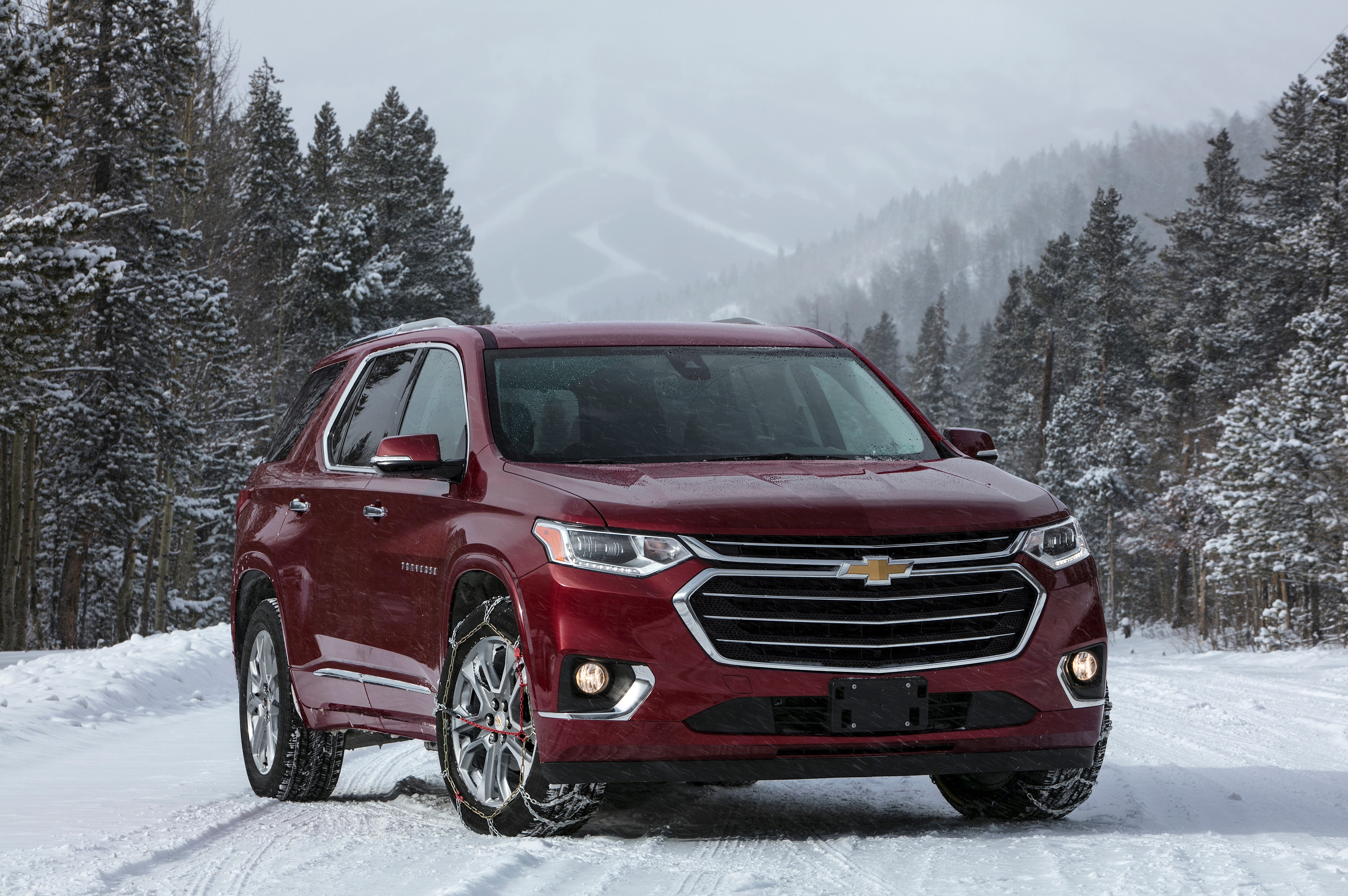
Your emergency kit should include items that address both basic survival and vehicle recovery. Start with a robust Roadside Assistance plan; this is your first line of defense. Make sure your subscription is active and that you understand how to promptly request help. Pack a high-quality flashlight with extra batteries, a reflective safety vest, and warning triangles to increase your visibility to others.

For personal safety, include thermal blankets, a first aid kit, and gloves. Water and Survival Snacks are essential; they can sustain you while you wait for help. Don't forget a portable charger for your phone and a list of emergency contacts.

Frequently Asked Questions

How Do I Adjust My Driving Habits for Winter Conditions When Operating My Chevrolet?

  • We adjust our driving in winter by applying slow acceleration and gentle braking to maintain control on icy roads, ensuring we're safely navigating our Chevrolet through harsh conditions as a careful, united community.

Are There Specific Chevrolet Features That Can Enhance My Vehicle's Winter Performance?

  • Just like a polar bear thrives in the cold, Chevrolet's All Wheel Drive system ensures our vehicle's grip on icy roads. The IntelliBeam headlights also adapt for optimal visibility during those dark, snowy commutes.

What Is the Recommended Frequency for Starting My Chevrolet if It's Parked for an Extended Period During the Winter?

  • We recommend starting your Chevrolet weekly to maintain battery health and tire condition, ensuring it remains part of our reliable community even when stored during the colder months.

How Do I Maintain the Efficiency of My Chevrolet's Heating and Defrosting Systems Throughout the Winter?

  • We're all in the same boat needing to ensure our Chevy's heating and defrosting systems stay efficient. Regular coolant checks and battery maintenance are key to ward off the winter chill.

Can I Install a Remote Start System on My Chevrolet for Cold Winter Mornings, and What Are the Associated Costs?

  • We can install a remote start system on our Chevrolet to combat cold mornings. We'll ensure legality and provide an installation warranty for peace of mind. It's an investment in our comfort and convenience.
Chevrolet

Conclusion

As the winter curtain draws near, we at Kirk Brothers Chevrolet of Vicksburg stand ready to fortify your chariot against the frosty siege ahead. With fluids checked, batteries braced, and tires tailored for the icy gauntlet, your steed shall emerge unscathed.

Let's adorn its armor and stock the carriage with survival wares, ensuring that, together, we conquer the cold with unwavering resolve.

Because when winter roars, preparedness whispers the promise of safe passage.

About Aaron Weikleenget:

With over two decades of dedicated experience in the automotive industry, Aaron Weikleenget is a seasoned expert who has made a significant impact. With a remarkable track record of over 24 years, Aaron has played a pivotal role in facilitating the sale of more than 50,000 vehicles to customers spread across nearly every state in the United States.

Working alongside virtually every automotive brand, Aaron's extensive knowledge and hands-on involvement have allowed him to gain a comprehensive understanding of the industry's nuances. His mission is to bring about a revolutionary shift in how customers perceive the automotive business. Aaron is committed to fostering a culture of integrity that permeates every aspect of the customer journey, from shopping and buying to ownership.

One of Aaron's greatest passions is the opportunity to connect with new people and collaborate with fellow automotive professionals. He strives to inspire them to deliver an unparalleled car-buying experience, ensuring that each customer walks away with the best automotive encounter they've ever had.

As a trusted voice in the automotive realm, Aaron Weikleenget shares his insights, wisdom, and innovative ideas through these blogs, aiming to empower both consumers and industry professionals. Stay tuned for his thought-provoking articles that shed light on the ever-evolving landscape of the automotive world.

Posted in:

Related Posts

car seasonal care

Chevrolet Seasonal Care: How to Keep Your Car in Top Shape Year-Round

Just like we swap our wardrobe with the change of seasons, our beloved Chevys needs seasonal care, too. We're here to guide you through the year, ensuring your car stays in tip-top shape, no matter the weather. In our journey together, we'll explore the impacts of each season on your vehicle and arm you with tips and tricks for optimal maintenance. We're in this together, keeping our Chevys running smoothly and proudly, season after season. Key Takeaways Different seasons require different tire types for optimal performance and safety. Winterizing your Chevrolet involves checking the battery, ensuring proper tire tread depth, and using winter-grade oil. Spring maintenance includes rotating tires, inspecting the brake system, and servicing the cooling system. During summertime, it is important to regularly check tire pressure, inspect coolant levels, and service the air conditioning system. Autumn checks should include inspecting the brake system, rotating tires, and checking battery, fluid levels, lights, and wipers. Understanding Seasonal Care Impacts on Your Chevrolet Let's dive into understanding how different seasons can significantly impact the performance and maintenance of your Chevrolet. We all know weather can be unpredictable, and the climate effects on your vehicle are worth considering. During the hot summer months, your tires can be prone to over-inflation due to heat expansion, which can lead to decreased traction and increased wear. In contrast, colder winter temperatures can cause under-inflation, resulting in poor vehicle handling and potentially dangerous driving conditions. That's why tire choices are so crucial. For summer, we recommend high-performance tires that can handle heat and provide excellent dry traction. Conversely, in winter, it's best to opt for winter tires with deeper tread patterns and softer rubber compounds to grip icy or snowy roads better. Of course, spring and fall bring their unique challenges, with wet roads and falling leaves necessitating good all-season tires that offer a balanced performance. Understanding these seasonal variances and making appropriate tire choices can significantly improve your Chevrolet's performance and longevity. Remember, we're all in this together, navigating the seasons and keeping our Chevrolets running smoothly. Winterizing Your Chevrolet: Key Steps As we move into the winter months, it's crucial we take some key steps to winterize our Chevrolets, ensuring they're ready to tackle the cold and icy conditions ahead. After all, we're not just car owners; we're a community that values safety, performance, and the longevity of our vehicles. Here are three primary steps: Battery Protection: Cold weather can be harsh on car batteries. To prevent issues, we should check the battery's charge, clean the terminals, and consider a battery warmer. This helps maintain optimal performance during frosty commutes. Tire Care: The importance of proper tire maintenance can't be overstated. Winter calls for tires with good tread depth for better grip on icy roads. Consider switching to winter tires if you live in a heavy snow area. Fluid Checks: Keep an eye on all car fluids. Ensure the antifreeze, oil, and washer fluid are at suitable levels. Using winter-grade oil can help the engine run smoother in low temperatures. Spring Maintenance Tips for Your Vehicle When spring arrives, we need to make several important adjustments to our Chevrolets to ensure they're well-prepared for the warmer weather and wet road conditions. The tire rotation importance can't be stressed enough. This crucial maintenance task ensures even tire wear, leading to longer tire life and improved fuel efficiency. We recommend having a professional perform this task every 5,000 to 7,500 miles. Moreover, with the melting snow and anticipated rain, ensuring your brake system is in top shape is paramount. A comprehensive brake system check involves inspecting brake pads, rotors, shoes, and fluid. It's important to note that brake pads and shoes wear out over time, and the harsh winter conditions may have accelerated this wear. If you notice any squeaking or grinding noises when applying the brakes, it's a good indication that they're due for a check-up or replacement. Summertime Chevrolet Care We're shifting gears to discuss how you can keep your Chevy in peak condition during the hot summer months. Summertime is a season of road trips, fun, and sun, but it can also be hard on your vehicle. The heat and extended driving periods can take a toll, but we've got some tips to help you protect your investment. Tire Protection: Heat can cause tires to expand, leading to increased tire pressure. Regularly check your tire pressure to prevent blowouts and ensure optimal gas mileage. Also, rotate your tires every 5,000 to 8,000 miles to extend their life. Coolant Levels: Your engine runs hotter in the summer, making coolant crucial. Inspect the coolant levels frequently and top off as needed. Also, have your cooling system serviced every 30,000 miles. Air Conditioning System: A well-functioning AC system is vital for comfort during summer drives. Have your AC system checked for leaks and serviced to keep it running at its best. We're on this journey with you, and it's our goal to see you enjoying your Chevrolet all summer long. Follow these steps, and you'll be well on your way to having a cool, comfortable and reliable ride. Autumn Checks to Keep Your Car Running Smoothly While summer requires certain precautions, fall brings its own set of challenges for your Chevrolet, so let's dive into the necessary autumn checks to keep your car running smoothly. The shift in weather can affect the performance of your vehicle, but we've got you covered. Firstly, we can't stress enough the importance of a thorough brake inspection. The brake system is your vehicle's key safety feature, and it's critical that it's in top working condition. The change in weather can cause wear and tear, so it's a good idea to have a professional inspect your brake pads, discs, and fluid levels. Secondly, let's talk tire rotation. As part of your Chevrolet family, we recommend rotating your tires every 6,000 to 8,000 miles to ensure even wear. This helps extend the life of your tires, giving you a smoother, safer ride. Lastly, we'll check your battery, fluid levels, lights, and wipers to make sure everything's in order. Remember, regular maintenance helps avoid costly repairs down the line. Conclusion In wrapping up, we can't stress enough the importance of seasonal care for your Chevrolet. It's like giving your car a health check-up four times a year. This ensures you're not caught off-guard with unexpected issues. Remember, preventative maintenance is always cheaper than costly repairs down the road. So, let's treat our Chevrolets like the champions they are, and they'll reward us with reliable, smooth rides all year round. About Aaron Weikleenget: With over two decades of dedicated experience in the automotive industry, Aaron Weikleenget is a seasoned expert who has made a significant impact. With a remarkable track record of over 24 years, Aaron has played a pivotal role in facilitating the sale of more than 50,000 vehicles to customers spread across nearly every state in the United States. Working alongside virtually every automotive brand, Aaron's extensive knowledge and hands-on involvement have allowed him to gain a comprehensive understanding of the industry's nuances. His mission is to bring about a revolutionary shift in how customers perceive the automotive business. Aaron is committed to fostering a culture of integrity that permeates every aspect of the customer journey, from shopping and buying to ownership. One of Aaron's greatest passions is the opportunity to connect with new people and collaborate with fellow automotive professionals. He strives to inspire them to deliver an unparalleled car-buying experience, ensuring that each customer walks away with the best automotive encounter they've ever had. As a trusted voice in the automotive realm, Aaron Weikleenget shares his insights, wisdom, and innovative ideas through these blogs, aiming to empower both consumers and industry professionals. Stay tuned for his thought-provoking articles that shed light on the ever-evolving landscape of the automotive world.
Certified Chevrolet service technician reviewing a Chevy maintenance schedule at Kirk Brothers Chevrolet of Vicksburg

Chevrolet Maintenance Schedule Explained: What Service Does Your Vehicle Actually Need?

A lot of drivers hear the phrase Chevy maintenance schedule and picture an endless, expensive conveyor belt of services. That is not really how it works. A smarter way to look at it is this: your Chevrolet has a maintenance rhythm, not a one-note script. Some items tend to come around at predictable intervals, some are triggered by time as much as mileage, and others depend heavily on inspection, wear, and how the vehicle is actually being used. Chevrolet’s service guidance points owners toward routine items like oil and filter changes, tire rotations, and vehicle inspections, while also making clear that your owner’s manual is the final reference for model-specific needs. more Why Vicksburg drivers should not expect one identical schedule The first thing to know about Chevrolet service intervals is that they are not perfectly uniform across the lineup. Engine type matters. Model year matters. Whether you drive a gas-powered SUV, a hard-working pickup, or a Chevy EV matters too. Chevrolet’s support resources consistently point owners back to the manual and owner tools for the details that apply to their exact vehicle, which is why a real maintenance plan should be specific rather than generic. That distinction matters because blanket advice can get sloppy fast. One vehicle may spend its life on steady highway miles. Another may handle school runs, stop-and-go traffic, jobsite detours, short trips, and long idle periods. Both are Chevrolets, but their maintenance cadence may not feel the same in real life. How mileage and time work together in Mississippi This is where many owners get tangled up. They assume mileage is the whole story, when time can matter just as much. Oil change guidance is a good example. Chevrolet indicates that when the Change Engine Oil Soon message appears, service should be completed promptly, and it also notes that engine oil and the filter still need to be changed at least once a year even if the oil life system has not called for service sooner. In other words, low mileage does not automatically mean no service is needed. That same logic helps make a Chevrolet maintenance schedule easier to read. Mileage-based items are tied to distance traveled. Time-based needs step in when age, fluid life, rubber deterioration, seasonal conditions, or limited use become part of the equation. If your vehicle sits often, makes short in-town trips around Vicksburg, or sees long spells between drives, the calendar still counts. Which services Vicksburg drivers tend to see most often Not every service visit brings the same punch list, but a few routine items show up more often than others. Chevrolet’s Certified Service maintenance guidance includes oil and filter changes and tire rotations at regular intervals, along with routine inspections that help catch issues early. That does not mean every visit turns into a major service event. More often, it means staying current on the basics that support performance, safety, and day-to-day drivability. Oil and filter changes Oil service is foundational because it is tied directly to engine protection. Chevrolet also notes that the oil life system should be reset after service, which is one reason many drivers prefer having the work handled by a trained service team. Tire rotations Tire rotation may sound modest, but it has outsized value. Chevrolet recommends regular tire rotations to help optimize tire life. For many drivers, this is one of the simplest ways to avoid uneven wear sneaking up on them. Multi Point Vehicle Inspections Routine inspections help turn maintenance from reactive to proactive. Chevrolet highlights Multi-Point Vehicle Inspections as part of ongoing care, and Kirk Brothers Chevrolet of Vicksburg inspects key items such as tires, wiper blades, fluid levels, brakes, and battery condition as part of helping owners stay ahead of wear. A quick note for Chevy EV owners If you drive an EV, your routine care looks different. Chevrolet’s EV maintenance guidance makes clear that EVs still require maintenance, even though oil changes fall out of the picture. Tire maintenance and inspections remain important, and Chevrolet highlights early routine visits that include tire rotation and a Multi-Point Vehicle Inspection. Which maintenance items depend more on wear and inspection This is the part many service schedules do not explain well enough. Some maintenance items are not governed by a neat, tidy number. Brakes are the clearest example. Chevrolet explains that there are not universal mileage intervals for brake service because wear varies based on driving habits and conditions. That is why brake inspections matter so much. The same logic often applies to other items that should be judged by condition rather than assumption. These can include brake pad and rotor wear battery condition wiper blade replacement tire condition and tread wear certain filters and fluid services depending on vehicle condition and usage This is why a trustworthy service visit should not feel like someone reading random line items off a menu. The better approach is to separate what is due by schedule from what is warranted by inspection. How local driving around Vicksburg can change the picture Driving habits shape wear more than many people realize. A vehicle that regularly sees highway travel may age differently than one handling repeated short trips, heavy traffic, frequent braking, work-duty hauling, or long periods of sitting. That principle affects more than just brakes. It can influence how quickly tires wear, how hard fluids are worked, and how often inspections uncover something that deserves attention. For drivers in and around Vicksburg, that can mean a maintenance pattern influenced by commuting, family hauling, regional road trips, wet weather, summer heat, or truck use that is more strenuous than the odometer alone suggests. It is one reason local service conversations matter. A schedule is helpful, but context is what keeps it from becoming too rigid or too vague. Where Vicksburg drivers can get plainspoken answers Sometimes the real question is not, “What does the chart say?” It is, “What does my Chevy actually need right now?” Chevrolet gives owners several tools for that. The owner resources and manuals are there for model-specific guidance, and connected owner tools can help many drivers monitor vehicle status details such as oil life and tire pressure. Kirk Brothers Chevrolet of Vicksburg also serves as a local resource for inspections, routine maintenance, genuine Chevrolet parts, and convenient scheduling. That matters because a useful service conversation should leave you with clarity, not fog. You should be able to understand what is due now, what can be monitored, what is recommended because of wear, and what is simply not necessary yet. A good Chevy maintenance schedule is not about doing everything at every visit. It is about doing the right work at the right time. If you want help sorting through your Chevrolet service intervals, the team at Kirk Brothers Chevrolet of Vicksburg can inspect your vehicle, answer your questions in plain language, and help you schedule the maintenance that truly fits your Chevy and your driving habits.

Technician at Kirk Brothers Chevrolet of Vicksburg testing a Chevrolet battery during a service inspection

How Long Does a Chevrolet Battery Last in Mississippi? What Drivers Should Expect

A failing battery rarely announces itself with much grace. One day your Chevrolet starts like it always has. The next, it hesitates on a humid Vicksburg morning, the lights seem a little tired, and your routine suddenly gets complicated. Chevrolet battery replacement is not something most drivers plan around, but it should not feel like guesswork either. Chevrolet says vehicle batteries average about 3 to 5 years, and that window can shift based on climate, driving habits, and how often the battery spends time discharged. In Mississippi, where long warm stretches can be hard on under hood components, that timeline can feel less theoretical and more immediate. more What Vicksburg drivers can usually expect For most drivers, the honest answer is not a single magic number. A car battery lifespan Chevy owners can usually expect falls in that 3 to 5 year range, but real life bends the average. A battery in a regularly driven vehicle may hold up well for years. Another may wear down sooner if the vehicle sits too often, handles lots of short trips, or spends too much time in a discharged state. Chevrolet also notes that long periods with a discharged battery shorten battery life, which matters for vehicles that are parked more than they are driven. That is why asking “how long does a Chevy battery last” usually leads to a better question: how is the vehicle being used? Daily commuting, weekend errands, occasional storage, aftermarket accessories, and the age of the charging system all influence what owners should expect. Battery life is a range, not a promise written in stone. Why Mississippi summers wear batteries down Cold weather gets more attention nationally, but Chevrolet points to warm climates as a genuine battery stressor. Chevrolet says warmer climates tend to increase damage due to sulfation. That matters in Mississippi, where long hot stretches can expose a weakening battery before drivers are ready for it. Heat is often the headline, yet the broader seasonal pattern matters too. Long idle periods, repeated short trips, and accessories left connected when the vehicle is not in use can all contribute to excessive battery wear. When that sort of usage stacks up during a hot season, even a battery that seemed serviceable a few months ago can start feeling less stout. In plain language, Mississippi weather can shrink the margin for error. A battery that is already aging may not give you a dramatic warning. It may simply feel a little weaker, then suddenly refuse to cooperate at the grocery store, the office, or just before a weekend drive out of town. That is one reason Chevrolet battery replacement is often easier, cheaper in stress, and far more convenient when it happens proactively rather than after a full no start event. Signs it may be time for Chevrolet battery replacement Some symptoms are subtle. Others are blunt as a hammer. Kirk Brothers Chevrolet of Vicksburg notes that common battery warning signs include slow engine cranking, weak or dim lights, and an illuminated dashboard warning light. Chevrolet also notes that battery related no start issues may sound like the telltale click click click when you turn the key or press the start button. What you may notice from the driver seat If your vehicle has started feeling sluggish first thing in the morning, or if cabin electronics seem less lively before the engine catches, do not brush it aside too quickly. Batteries do not always fail with theatrical flair. Sometimes the first sign is simply hesitation. A strained start today can become a dead battery next week. What you may spot under the hood Chevrolet also advises drivers to pay attention to visible clues. If you see corrosion around the posts, that connection may need attention. If the battery case looks swollen, bloated, or leaky, skip the cleaning and head straight to service, because a battery in that condition will likely need replacement. When a Chevrolet battery test makes sense The smartest time to test a battery is before you are stranded, not after. Chevrolet says batteries should be inspected and tested periodically, and that dealership service visits can include an inspection for cracks, leaks, and corrosion along with a conductance test to assess battery health. Kirk Brothers Chevrolet of Vicksburg also specifically recommends a conductance test when you get an oil change, since it helps monitor battery condition before a failure catches you off guard. That advice matters because a battery problem may not always give you a long slow decline. Since batteries typically crank for only a few seconds, there may be little or no slow crank warning in some cases. In other words, a battery can seem fine right up until it is not. A battery test also makes sense when: Your battery is nearing the upper end of that 3 to 5 year range Your Chevrolet has been sitting more than usual You have noticed dim lights or hard starts You are heading into a demanding season of commuting, school runs, or weekend travel You simply want an answer before replacing anything unnecessarily Those are not alarm bells for every driver. They are sensible checkpoints. And they can save you from replacing a battery too soon or ignoring one too long. Simple habits that may help battery life Battery care does not need to be fussy to be effective. Chevrolet points to a few practical habits that can reduce unnecessary wear and help owners get more stable performance from their battery over time. Try not to leave accessories plugged in when the vehicle is not in use Avoid letting the vehicle sit too long without being driven Pay attention to repeated short trip patterns if your battery already seems weak Have corrosion checked and cleaned before it turns into a bigger connection problem Get the battery inspected during routine service visits instead of waiting for a failure If the battery case appears swollen, bloated, cracked, or leaky, do not treat it like a routine DIY cleanup item Chevrolet also notes that if you are comfortable checking the battery visually, it is wise to look for cracks, leaks, and corrosion. For drivers who would rather not handle that themselves, scheduling service is the cleaner move. Why local Chevrolet service matters in Vicksburg There is a difference between guessing and knowing. Kirk Brothers Chevrolet of Vicksburg positions its Certified Service team to test the battery and starting system, help determine whether replacement is truly needed, and install ACDelco batteries, which the dealership identifies as the only recommended batteries for your Chevrolet. The service department also notes that its Multi Point Vehicle Inspection can include the battery along with other key systems, which is useful when a battery concern may overlap with a broader starting or charging issue. That local support matters because battery trouble is rarely convenient. It shows up before work, during school drop off, on a rainy afternoon, or right when you have no time for surprises. Having a Chevrolet focused team in Vicksburg means you do not have to rely on hunches. You can get a battery test, a clearer diagnosis, and a service path that actually fits your vehicle. If your Chevrolet has been slow to start, your lights seem weaker than usual, or your battery is simply getting older, now is a good time to act before inconvenience turns into interruption. Kirk Brothers Chevrolet of Vicksburg can inspect your battery, perform a conductance test, and help you decide whether service, charging system evaluation, or Chevrolet battery replacement makes the most sense. Schedule service with the team in Vicksburg and get ahead of trouble while the fix is still simple.