



Kirk Brothers Chevrolet of Vicksburg

Blog / Vehicle Maintenance and Repair

Why Is Your Chevy Shifting Hard or Hesitating?

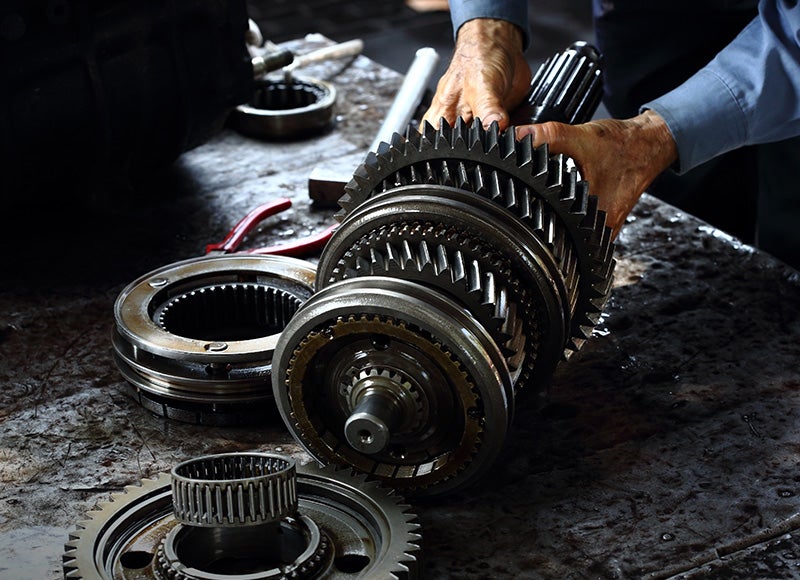
Chevy Transmission
If your Chevy shifts with a jolt, pauses before moving, or changes gears when you do not expect it to, pay attention to when it happens. Those details can help a service advisor understand the concern. They cannot, by themselves, tell you whether the vehicle needs transmission fluid service, an adjustment, or a repair.

What does the hesitation feel like?

Before your appointment, note which of these descriptions fits your experience:
  • Delayed engagement: After selecting Drive or Reverse, the vehicle pauses before it begins to move.
  • A hard shift: A gear change feels like a pronounced bump or jolt.
  • An unexpected shift: The transmission changes gears at a time that feels unusual for the speed or throttle input.
  • A slipping sensation: Engine speed rises without the acceleration you expected.
Tell the advisor whether it happens on the first drive of the day, after the vehicle warms up, while accelerating, on hills, or when slowing down. Note whether it happens every time or only occasionally. If a warning message appears, record its exact wording or take a photo when it is safe to do so. Also mention any recent service, towing, or fluid spots where you park.

Can you tell the cause from the way it shifts?

No single sensation points to one certain repair. Depending on the vehicle, a technician may need to consider fluid condition or level, a leak, electronic controls, or wear within the transmission. Engine performance can also affect how a vehicle feels during acceleration. The next step is to inspect the specific Chevy and review the symptoms before recommending work.
That distinction matters when someone suggests a fluid change as an automatic fix for hard shifting. Transmission fluid service can be part of scheduled maintenance, but it may not resolve a separate fault. Likewise, an unusual shift does not automatically mean the transmission needs replacing. The vehicle’s year, model, maintenance history, and diagnostic findings should guide the recommendation.

What happens during a service visit?

Start by describing the symptom and when it occurs. A technician can review warning messages and diagnostic information, inspect for signs of a leak, check applicable fluid condition or level using the procedure for your Chevy, and test-drive the vehicle if appropriate. From there, the service team can explain what it found, what further testing may be needed, and whether maintenance or a repair is warranted. Your Chevrolet owner’s manual provides the maintenance guidance for your particular model.
Arrange service soon for hard shifts or slow engagement. If the problem is getting worse, the vehicle struggles to accelerate, or you cannot select a gear, stop driving when it is safe and contact a service professional about the next step. Ask whether the Chevy should be towed rather than driven to the shop. Chevrolet gives similar urgency guidance for transmission concerns.
For Chevrolet transmission service in Vicksburg, MS, contact the Kirk Brothers Chevrolet of Vicksburg service team and describe what you are experiencing. You can request a service appointment online so the team can inspect the vehicle before discussing a service or repair recommendation.


Posted in:

Related Posts

Chevy Oil Pressure Light

Oil Pressure Light On? What Chevy Drivers Should Do Next

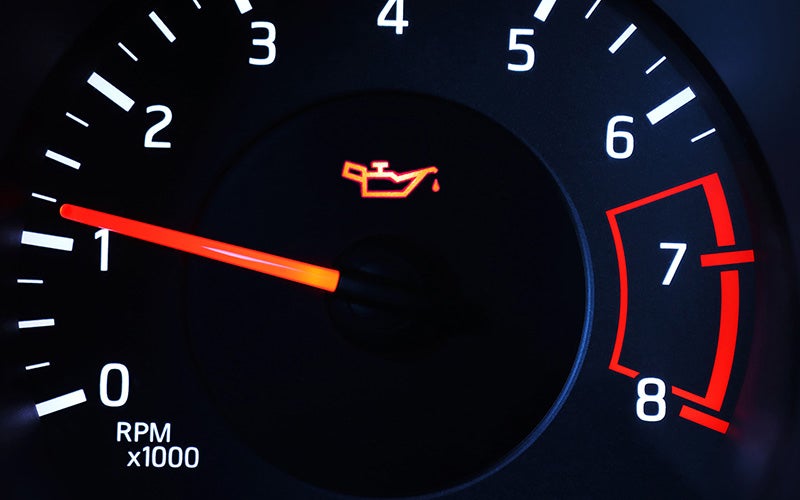
If your Chevrolet oil pressure light comes on while you’re driving, find a safe place to pull over and shut off the engine as soon as you can. If the display says “Oil Pressure Low/Stop Engine,” do not keep driving or restart the engine to see whether the message disappears. Low oil pressure can damage the engine, even if the vehicle still seems to run normally. What to do when the oil pressure warning appears Pull over safely. Move out of traffic as soon as conditions allow and turn the engine off. Check the message and your owner’s manual. Wording and symbols vary by Chevrolet model. Follow any specific instructions shown on your vehicle’s display. Check the oil level when it is safe to do so. Follow the procedure in your owner’s manual, including its instructions for parking and waiting before checking. A low reading is useful information to share with a technician, but oil level alone cannot confirm that pressure has returned to normal. Arrange service before driving again. If the display says “Oil Pressure Low/Stop Engine,” leave the engine off and contact a service professional. Arrange a tow if the vehicle needs to be moved. Let the service team know exactly what appeared on the dash and whether you noticed a leak, unusual noise, or a recent oil change. Chevrolet notes that its oil pressure light may briefly illuminate at startup. The concern is a light that comes on while the engine is running or a low-pressure warning message. Consult your specific owner’s manual for the instructions that apply to your vehicle. Oil pressure warning or oil change reminder? These alerts call for different responses. “Change Engine Oil Soon” comes from the Oil Life System, which estimates when the oil and filter need replacement based on vehicle use. Schedule an oil change promptly. It is not the same message as “Oil Pressure Low/Stop Engine,” which calls for stopping safely and switching off the engine. The oil life percentage is also not a measurement of oil level or oil pressure. A recent oil change does not make a pressure warning safe to ignore, and an oil change reminder by itself does not tell you that pressure is low. Why continued driving can cause damage Engine oil must circulate under adequate pressure to protect moving parts. When pressure is too low, those parts may not receive the lubrication they need, and continued engine operation can cause serious damage. Low oil level is one possible factor, but a warning can require further inspection even when the dipstick shows oil. A technician can identify the cause instead of treating the dashboard message as a diagnosis. For routine maintenance, read about oil changes at Kirk Brothers Chevrolet of Vicksburg. If an oil pressure warning has appeared, contact our Chevrolet service team and explain the warning before bringing the vehicle in. You can also request a service appointment; arrange a tow when the vehicle should not be driven.

Chevy Service Trailer Brake System

What Does "Service Trailer Brake System" Mean on Your Chevy Truck?

Few dashboard messages get a truck owner's attention faster than " Service Trailer Brake System." It usually appears just as you're preparing to tow, which is hardly ideal. Fortunately, the warning doesn't always point to a major repair. In many cases, it's alerting you that your truck has detected a problem somewhere within the trailer brake system or the connection between the truck and trailer. Understanding what the message means can help you respond appropriately before heading down the road. How the Integrated Trailer Brake System Works Many Chevrolet Silverado and Silverado HD models are equipped with an integrated trailer brake controller designed to work with electric trailer brakes. Rather than applying trailer brakes independently, the system communicates with the trailer and adjusts braking force in proportion to how firmly you apply the truck's brakes. The result is smoother, more controlled stopping, particularly when towing heavier loads. If the truck detects a fault that could affect this communication, it displays the Service Trailer Brake System message. What Causes the Warning to Appear? Several conditions can trigger the alert. A loose trailer connector is among the most common. Corrosion, moisture, bent terminals, or damaged wiring inside the trailer plug can interrupt communication between the truck and trailer. Electrical issues may also be responsible. A blown fuse, damaged trailer wiring harness, low system voltage, or a concern within the integrated trailer brake controller can all generate the warning. Occasionally, the message appears even when no trailer is connected. That typically indicates the truck has detected an electrical fault requiring further diagnosis. Can You Continue Towing? That depends on the cause, but caution is always appropriate. If the integrated trailer brake controller isn't functioning correctly, your trailer's electric brakes may not operate as intended. That increases stopping distances and places additional braking demands on the truck itself. If the warning appears while towing, reduce speed, leave additional space between vehicles, and arrange to have the system inspected as soon as practical. Ignoring the message is rarely a good strategy, particularly when towing heavier trailers. A Few Things You Can Check Yourself Before scheduling service, there are several simple inspections worth performing. Disconnect the trailer plug and inspect the terminals for corrosion, dirt, moisture, or physical damage. Reconnect it securely to confirm the connection is fully seated. If you're towing your own trailer regularly, inspect the trailer wiring for obvious damage or worn insulation. It's also worth checking the appropriate fuse listed in your owner's manual to confirm it hasn't failed. If the warning remains after those basic checks, professional diagnosis is the next logical step. Professional Diagnosis Saves Time Modern trailer brake systems rely on electronic communication between multiple control modules. Factory diagnostic equipment allows technicians to retrieve stored fault codes, test controller operation, inspect wiring integrity, and determine precisely why the warning appeared. That approach is considerably more efficient than replacing parts based on guesswork. If you're searching for Chevrolet service, Silverado service, trailer brake repair, or truck maintenance around Vicksburg, diagnosing trailer brake warnings promptly helps keep your truck ready for work and recreation alike. Schedule Service for Your Chevy Truck at Kirk Brothers Chevrolet If your truck is displaying a Service Trailer Brake System message, now is the right time to have it inspected before your next towing trip. Visit us serving Vicksburg, MS, or schedule your appointment online. Our factory-trained technicians can diagnose the warning, identify the cause, and help restore the confidence you expect every time you hitch up your trailer.

Certified Chevy Tire Rotation in Vicksburg

Importance of Chevrolet Tire Rotation in Vicksburg, MS

Why Regular Chevrolet Tire Rotation Matter Chevrolet tire rotation is a critical aspect of vehicle maintenance that ensures even tire wear, prolongs tire life, and enhances overall driving safety. Over time, tires wear unevenly due to factors like weight distribution, road conditions, and driving habits. For drivers in Vicksburg, MS, where seasonal weather can affect road quality, regular tire rotations help maintain optimal traction and handling. Rotating your Chevrolet's tires at the recommended intervals also contributes to better fuel efficiency. Uneven tires force your vehicle to work harder, which can lead to increased fuel consumption. By keeping your tires properly rotated, you can save money at the pump while keeping your ride smooth and efficient. more When to Schedule a Chevrolet Tire Rotation It’s generally recommended to schedule a Chevrolet tire rotation every 5,000 to 7,500 miles, or as outlined in your vehicle’s owner manual. However, specific driving conditions in Vicksburg, MS, such as uneven terrain or frequent long drives, might necessitate more frequent rotations. Ignoring this routine maintenance can lead to costly consequences, such as premature tire replacement or compromised safety on the road. If you notice irregular tire wear patterns, decreased vehicle performance, or vibrations while driving, it may be time for a tire rotation. Benefits of Professional Chevrolet Tire Rotation Choosing a certified Chevrolet service center, such as Kirk Brothers Chevrolet of Vicksburg, ensures that your tire rotation is done correctly and efficiently. Our expert technicians use specialized tools and follow manufacturer guidelines to handle your Chevrolet model's specific needs. A professional tire rotation service also includes a thorough inspection of your tires for any signs of damage, such as treadwear or punctures. This proactive approach helps identify potential issues early, saving you from unexpected breakdowns and ensuring your safety on the road. Ensure your Chevrolet continues to perform at its best with regular tire rotations. Visit Kirk Brothers Chevrolet of Vicksburg in Vicksburg, MS, for expert service and peace of mind. Schedule your Chevrolet tire rotation today through our website at (https://www.kirkbrotherschevroletofvicksburg.com/). Chevrolet tire rotation is not just about extending the life of your tires; it's about enhancing your vehicle’s performance, safety, and fuel efficiency. For drivers in Vicksburg, MS, regular tire rotations are a simple yet effective way to ensure your Chevrolet stays road-ready in all conditions. Schedule your tire rotation at Kirk Brothers Chevrolet of Vicksburg today and experience the difference professional care can make.