




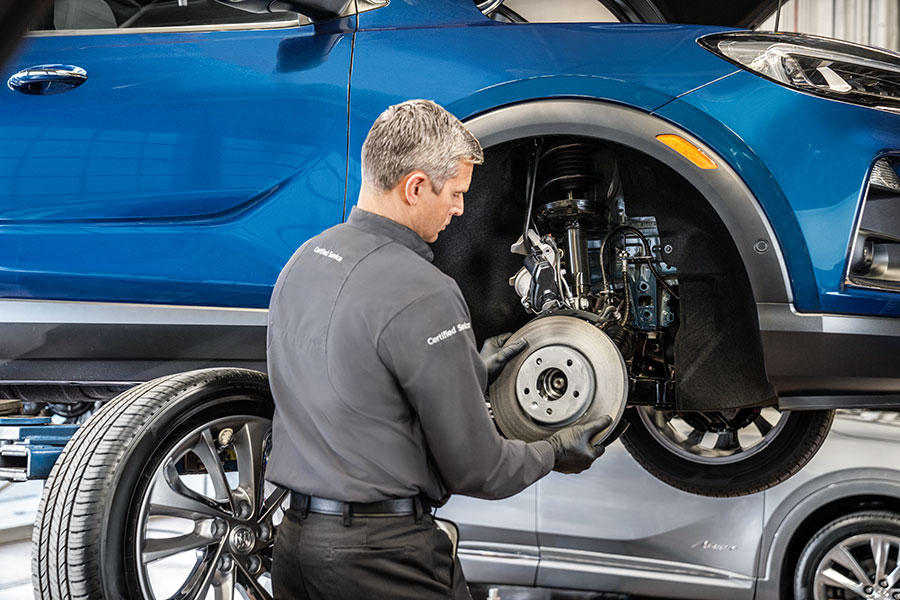
Brake problems rarely arrive with perfect timing. More often, they begin as something small you almost dismiss, a faint squeal in the morning, a little shake through the steering wheel, a brake pedal that feels less reassuring than it did last month. That is usually the moment to pay attention. Several early signs can point to the need for Chevrolet brake service, including grinding noises, longer stopping distances, a spongy pedal, vibration while braking, and a vehicle that pulls left or right under brake application. For drivers trying to make sense of those symptoms before they become something more serious, Chevrolet brake service is not just routine maintenance. It is a safety decision.
At Kirk Brothers Chevrolet of Vicksburg, Chevrolet Certified Service technicians can inspect the brake system and help determine whether the issue is related to pads, rotors, calipers, brake fluid condition, or another component. That matters because not every sound or sensation means the same thing, and not every symptom carries the same level of urgency.
What brake noise can reveal
Noise is often the first thing drivers notice. In many cases, built in brake wear indicators can create a chirping, squealing, or whistling sound when the pads have worn enough to need attention. If your Chevrolet starts squeaking or squealing when you apply the brakes, it is a smart time to schedule an inspection rather than wait for the sound to get worse.
Not all brake noise sounds alike, and that distinction matters. A higher pitched squeal may point to pad wear or vibration within brake components. A harsher grinding sound is more concerning and can suggest more advanced wear. Worn pads, worn or heat affected rotors, loose fitting pads in the caliper, damaged noise insulators, and uneven hardware torque can all contribute to noise and related braking issues.
If your Chevrolet has started making noise consistently rather than occasionally, it is wise to have it checked before the symptom escalates. For drivers searching for Chevy brake repair Vicksburg MS, the real value is catching pad or rotor issues before they begin affecting stopping confidence in a more serious way.
Why vibration under braking deserves attention
A vibration in the brake pedal or a shake through the steering wheel should never be brushed aside as a harmless quirk. If you feel pulsing through the pedal or noticeable movement in the steering wheel while braking, that can point to a system that needs attention.
Often, that sensation is linked to uneven rotor wear or thickness variation across the rotor surface. In practical terms, the brake system is no longer making contact as smoothly as it should, which can create a rhythmic pulse you feel through the pedal, steering wheel, or even the seat.
That does not automatically mean every vibration is severe, but it does mean the system should be inspected soon. Mild pulsation can become more pronounced over time, especially when heat, wear, or repeated braking continue to stress the components.
What a soft pedal or longer stop can signal
When the brake pedal feels spongy, travels farther than normal, or seems to require more pressure than it used to, the driving experience changes in a hurry. A soft or vague pedal, paired with longer stopping distance, can be one of the clearest signs that the brake system no longer feels as confident or responsive as it should.
This is where many drivers move from mild concern to real unease. A longer stop is not simply an inconvenience. It changes how quickly and comfortably you can react in traffic, during rain, or when something unexpected happens in front of you. If the pedal feels less firm than normal or the vehicle does not slow with the same authority it once had, that points to a brake system that deserves prompt diagnosis.
Because brake feel can be influenced by more than one part, the solution is not always as simple as replacing pads. Depending on what the inspection reveals, Chevrolet brake service can involve pads, rotors, calipers, fluid related concerns, or other parts of the system that affect stopping performance.
When pulling while braking is not just a nuisance
If your Chevrolet drifts or pulls to one side when you press the brake pedal, that is another sign to take seriously. It can feel subtle at first. You notice the steering wheel needs a small correction during a stop, or the vehicle feels slightly unsettled in its lane while braking. Over time, though, that tendency can become much harder to ignore.
Pulling during braking matters because it suggests the vehicle may not be braking evenly from side to side. Even if the symptom seems minor on a dry road, it can feel more pronounced during rain, on slick pavement, or during a quick stop when balance matters most. For everyday Vicksburg driving, family errands, and weekend travel alike, that is not something worth putting off.
If the pull appears suddenly, feels strong, or shows up alongside noise, vibration, or a warning light, move it into the urgent category and have the vehicle checked as soon as possible.
What dashboard brake alerts may mean
Modern Chevrolet vehicles can sometimes alert you to brake concerns before the sound becomes obvious. Some models may feature a Brake Pad Life Monitor that can display a service message when brake service is needed. If you see that type of message, it is a strong prompt to schedule an inspection rather than assume the system still has plenty of life left.
There are also brake related warning lights that deserve immediate attention. A brake system warning light that stays on can point to a problem within the brake system, including low brake fluid. If a brake warning light comes on while driving and does not go away, that should be treated with real caution.
An ABS warning light can indicate a separate issue. In some situations, the regular brakes may still function even if the ABS system is not working properly. But if multiple brake related warning lights appear together, that can signal a broader concern that should not be ignored.
How Vicksburg driving can affect Chevrolet brake service
Brake wear is not the same from one Chevrolet driver to the next. Brake pad life can vary based on driving habits, vehicle usage, and overall operating conditions. Frequent heavy braking, higher temperatures, heavier loads, and more demanding environments can all accelerate wear.
That matters in and around Vicksburg. Summer heat, humidity, stop and go driving, wet roads, highway travel, heavier cargo, and weekend trips can all add strain to the brake system over time. Even when wear develops gradually, local conditions can contribute to noise, vibration, reduced stopping confidence, and earlier service needs.
A practical way to think about timing is this.
Schedule service soon
- Repeated squealing, chirping, or whistling when braking
- Mild vibration in the pedal or steering wheel
- A vehicle that is taking a little longer to stop than usual
- Light pulling during braking
- A brake service message on equipped vehicles
Treat it as more urgent
- Grinding noises
- A very soft or unusually long pedal travel
- A brake warning light that stays on
- Noticeably reduced stopping power
- Brake symptoms that feel sudden or severe
When you want straight answers instead of guesswork, Kirk Brothers Chevrolet of Vicksburg is a trusted local resource. The service team can inspect your brake system, explain what the symptoms may mean, and recommend the next step based on what your Chevrolet actually needs. If your vehicle is making noise, shaking under braking, pulling during stops, or showing a brake warning light, now is the time to schedule service with Kirk Brothers Chevrolet of Vicksburg and get the issue checked before it becomes more serious.
Connect with us


- Car Buying Guide
- Chevrolet
- Chevrolet Dealership
- Chevrolet service
- Eco-Friendly Initiatives
- GM Certified Service
- Insurance Tips
- Kirk Brothers Chevrolet of Vicksburg Service
- Local Community Engagement
- Pre-Owned Vehicles
- Safety Features
- Seasonal Vehicle Care
- Service and Parts Department
- SUV
- Test Drive Experiences
- Uncategorized
- Vehicle Maintenance and Repair
- Vehicle Reviews and Comparisons
- Vehicle Technology
- Vicksburg Chevrolet Dealer
- Vicksburg Chevrolet Service