


Kirk Brothers Chevrolet of Vicksburg

Blog / Vehicle Financing

Chevrolet Fuel Efficiency Tips for Drivers in Vicksburg, MS

Chevrolet Fuel Efficiency

Every driver is focused on fuel efficiency these days with fluctuating gas prices. Whether you're watching the gauge during your daily errands and commutes through Vicksburg, Mississippi, or planning a summer road trip, understanding how to maximize your Chevrolet's fuel economy can save you money and reduce your environmental impact. In this guide, we’ll explore practical Chevrolet fuel efficiency tips and how to improve gas mileage Chevy owners can rely on.  

Keep Your Chevrolet Well-Maintained  

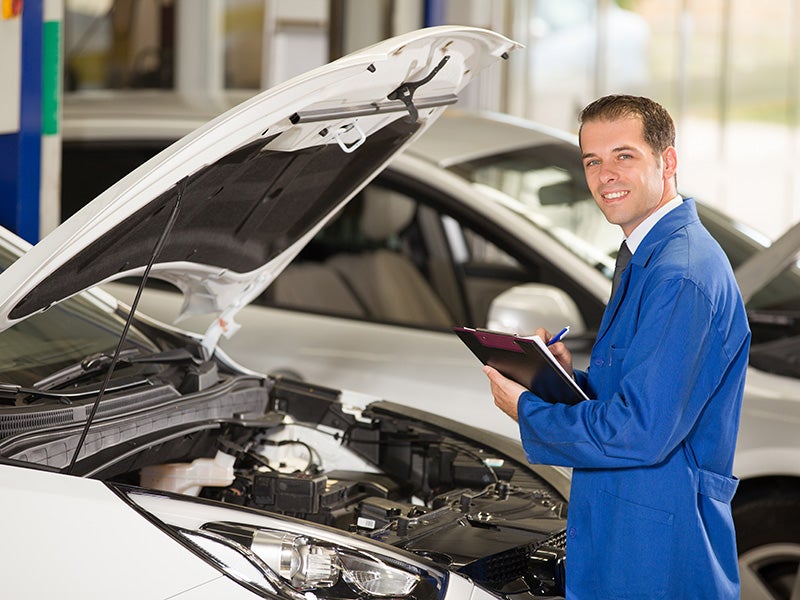
One of the simplest ways to enhance fuel efficiency is by maintaining your vehicle regularly. A well-maintained Chevrolet runs more efficiently, ensuring you get the most out of every gallon of gas.  

  • Oil Changes: Regular oil changes reduce engine friction, helping your Chevy perform at its best. 
  • Tire Maintenance: Properly inflated tires reduce rolling resistance, improving fuel efficiency. Check your tire pressure monthly and ensure it aligns with Chevrolet's recommendations. 
  • Air Filters: A clean air filter allows your engine to breathe better, optimizing fuel combustion. 

By staying on top of these maintenance tasks, you'll notice significant improvements in how your Chevrolet handles and its fuel efficiency.  

Drive Smart to Save Fuel  

Driving habits play a crucial role in determining your vehicle's fuel consumption. Here are some tips to help you drive more efficiently:  

  • Avoid Aggressive Driving: Rapid acceleration and hard braking waste fuel. Smooth driving not only improves gas mileage but also extends the life of your brakes and tires. 
  • Use Cruise Control: On highways, cruise control helps maintain a constant speed, reducing unnecessary fuel use. 
  • Limit Idling: If you're parked or waiting for an extended period, turn off the engine to conserve fuel. 

Implementing these driving strategies can make a noticeable difference in your Chevrolet's fuel efficiency while navigating Vicksburg's roads or beyond.  

Lighten Your Load 

Excess weight in your vehicle can drag down fuel efficiency. Remove unnecessary items from your trunk or cargo area to lighten the load. Additionally, roof racks and carriers create aerodynamic drag, so consider removing them when not in use. These small adjustments can significantly impact on how to improve gas mileage Chevy drivers experience daily.  

Use Chevrolet’s Built-In Technology  

Modern Chevrolet vehicles come equipped with advanced technology designed to enhance fuel efficiency. Features like stop/start systems, Eco-driving modes, and real-time fuel economy displays can help you monitor and adjust your driving habits for better mileage. If you're unsure about these features, consult your owner's manual or visit Kirk Brothers Chevrolet of Vicksburg for assistance.  

Plan Your Trips Wisely  

Efficient trip planning can also contribute to better fuel economy. Combine errands into a single trip to avoid multiple cold starts, which consume more fuel. Utilize navigation systems to find the shortest routes and avoid traffic congestion whenever possible. For drivers in Vicksburg, Mississippi, this means less time idling in traffic and more time enjoying the drive.  

Reduce Your Fuel Stress and Time at the Pump with These Tips 

Maximizing your Chevrolet's fuel efficiency is easier than you think when you follow these practical tips. From regular maintenance to smart driving habits, there are plenty of ways to save at the pump while reducing your carbon footprint. If you're looking for expert advice or service to keep your vehicle running efficiently, visit Kirk Brothers Chevrolet of Vicksburg in Vicksburg, MS. Let us help you get the most out of your Chevrolet with proven fuel efficiency strategies tailored to your needs. 
Posted in:

Related Posts

Chevy Transmission

Why Is Your Chevy Shifting Hard or Hesitating?

If your Chevy shifts with a jolt, pauses before moving, or changes gears when you do not expect it to, pay attention to when it happens. Those details can help a service advisor understand the concern. They cannot, by themselves, tell you whether the vehicle needs transmission fluid service, an adjustment, or a repair. What does the hesitation feel like? Before your appointment, note which of these descriptions fits your experience: Delayed engagement: After selecting Drive or Reverse, the vehicle pauses before it begins to move. A hard shift: A gear change feels like a pronounced bump or jolt. An unexpected shift: The transmission changes gears at a time that feels unusual for the speed or throttle input. A slipping sensation: Engine speed rises without the acceleration you expected. Tell the advisor whether it happens on the first drive of the day, after the vehicle warms up, while accelerating, on hills, or when slowing down. Note whether it happens every time or only occasionally. If a warning message appears, record its exact wording or take a photo when it is safe to do so. Also mention any recent service, towing, or fluid spots where you park. Can you tell the cause from the way it shifts? No single sensation points to one certain repair. Depending on the vehicle, a technician may need to consider fluid condition or level, a leak, electronic controls, or wear within the transmission. Engine performance can also affect how a vehicle feels during acceleration. The next step is to inspect the specific Chevy and review the symptoms before recommending work. That distinction matters when someone suggests a fluid change as an automatic fix for hard shifting. Transmission fluid service can be part of scheduled maintenance, but it may not resolve a separate fault. Likewise, an unusual shift does not automatically mean the transmission needs replacing. The vehicle’s year, model, maintenance history, and diagnostic findings should guide the recommendation. What happens during a service visit? Start by describing the symptom and when it occurs. A technician can review warning messages and diagnostic information, inspect for signs of a leak, check applicable fluid condition or level using the procedure for your Chevy, and test-drive the vehicle if appropriate. From there, the service team can explain what it found, what further testing may be needed, and whether maintenance or a repair is warranted. Your Chevrolet owner’s manual provides the maintenance guidance for your particular model. Arrange service soon for hard shifts or slow engagement. If the problem is getting worse, the vehicle struggles to accelerate, or you cannot select a gear, stop driving when it is safe and contact a service professional about the next step. Ask whether the Chevy should be towed rather than driven to the shop. Chevrolet gives similar urgency guidance for transmission concerns. For Chevrolet transmission service in Vicksburg, MS, contact the Kirk Brothers Chevrolet of Vicksburg service team and describe what you are experiencing. You can request a service appointment online so the team can inspect the vehicle before discussing a service or repair recommendation.

Chevy Oil Pressure Light

Oil Pressure Light On? What Chevy Drivers Should Do Next

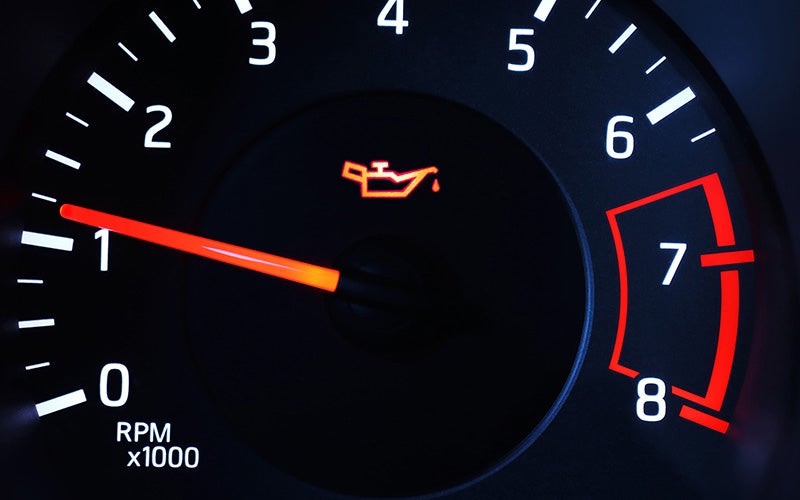
If your Chevrolet oil pressure light comes on while you’re driving, find a safe place to pull over and shut off the engine as soon as you can. If the display says “Oil Pressure Low/Stop Engine,” do not keep driving or restart the engine to see whether the message disappears. Low oil pressure can damage the engine, even if the vehicle still seems to run normally. What to do when the oil pressure warning appears Pull over safely. Move out of traffic as soon as conditions allow and turn the engine off. Check the message and your owner’s manual. Wording and symbols vary by Chevrolet model. Follow any specific instructions shown on your vehicle’s display. Check the oil level when it is safe to do so. Follow the procedure in your owner’s manual, including its instructions for parking and waiting before checking. A low reading is useful information to share with a technician, but oil level alone cannot confirm that pressure has returned to normal. Arrange service before driving again. If the display says “Oil Pressure Low/Stop Engine,” leave the engine off and contact a service professional. Arrange a tow if the vehicle needs to be moved. Let the service team know exactly what appeared on the dash and whether you noticed a leak, unusual noise, or a recent oil change. Chevrolet notes that its oil pressure light may briefly illuminate at startup. The concern is a light that comes on while the engine is running or a low-pressure warning message. Consult your specific owner’s manual for the instructions that apply to your vehicle. Oil pressure warning or oil change reminder? These alerts call for different responses. “Change Engine Oil Soon” comes from the Oil Life System, which estimates when the oil and filter need replacement based on vehicle use. Schedule an oil change promptly. It is not the same message as “Oil Pressure Low/Stop Engine,” which calls for stopping safely and switching off the engine. The oil life percentage is also not a measurement of oil level or oil pressure. A recent oil change does not make a pressure warning safe to ignore, and an oil change reminder by itself does not tell you that pressure is low. Why continued driving can cause damage Engine oil must circulate under adequate pressure to protect moving parts. When pressure is too low, those parts may not receive the lubrication they need, and continued engine operation can cause serious damage. Low oil level is one possible factor, but a warning can require further inspection even when the dipstick shows oil. A technician can identify the cause instead of treating the dashboard message as a diagnosis. For routine maintenance, read about oil changes at Kirk Brothers Chevrolet of Vicksburg. If an oil pressure warning has appeared, contact our Chevrolet service team and explain the warning before bringing the vehicle in. You can also request a service appointment; arrange a tow when the vehicle should not be driven.

Charging 2027 Chevy Equinox

Can You Charge an Equinox EV at Home in Vicksburg?

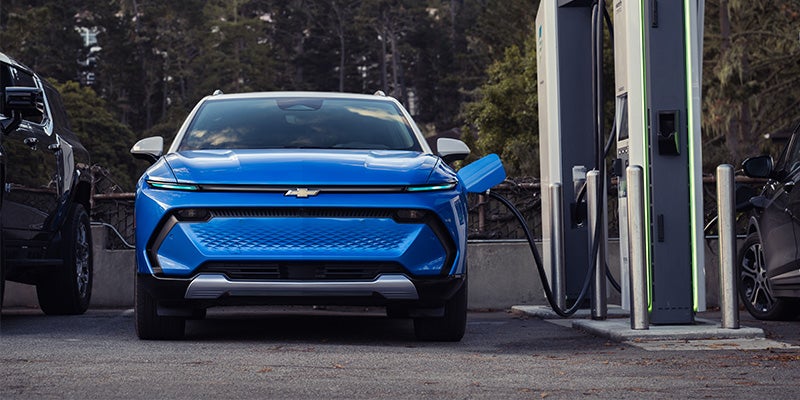
Yes. You can charge an Equinox EV at home with compatible charging equipment and a suitable electrical connection. A standard household outlet can add charge slowly, while a properly installed Level 2 setup uses 240-volt power to charge faster. Which option fits your week depends on how far you drive, where you park, and the electrical capacity of your home. Our Blazer EV and Equinox EV comparison helps shoppers choose between the SUVs. Here is what charging an Equinox EV at home can look like after you bring one home. Standard outlet or Level 2: What changes? Level 1 charging uses a suitable three-prong, 120-volt household outlet and a compatible charge cord. It adds range gradually, so it may help you top off after short drives or when you have plenty of time parked at home. If you regularly drive longer distances, relying on a standard outlet alone may leave you needing more charging time than your schedule allows. Level 2 charging uses a suitable 240-volt outlet and compatible equipment or a professionally installed, hardwired home charger. It charges faster and is often more convenient when you need to replace a typical day’s driving overnight. Actual charging speed depends on the equipment, the vehicle’s charging capability, settings, and battery conditions. Check which charging cord or wall unit comes with, or is available for, the Equinox EV you are considering; do not assume one is included. What should you check before installing home charging? Start with where the Equinox EV will park. The charging cable needs to reach the vehicle comfortably without stretching across a walkway or relying on an extension cord. Then ask a qualified electrician to assess the outlet or proposed charger location, available electrical capacity, circuit and panel, and whether wiring or other work is needed. For a Level 2 installation, ask for a quote that covers the charger or outlet, labor, and any applicable permit requirements. If you rent or live in a property with shared parking, discuss installation approval with the property owner or manager first. Chevrolet advises having a qualified electrician verify that an outlet and electrical system are suitable for EV charging. Its guidance also says not to use extension cords, power strips, or similar devices between the wall and charging cord. Installation needs vary by home, so an electrician can tell you what your particular setup requires. How could charging fit into a normal week? Suppose you drive around Vicksburg on weekdays and make a longer trip on Saturday. You could plug in when you get home on the nights you need a top-up, then check the Equinox EV’s displayed charge and estimated range before the weekend. If the longer drive needs more energy than a standard outlet can add in time, plan for Level 2 home charging or a suitable public charging stop. The vehicle’s Charging app lets you choose when charging begins, set a target charge level, and create a home schedule. That makes it easier to plan around departure times or an electricity rate that varies by time of day, if your utility offers one. You do not have to run the battery down before plugging in. Revisit your routine as you learn how your commute, weather, and trips affect the range you see. Have questions about charging equipment on a particular vehicle? Browse new Chevrolet inventory at Kirk Brothers Chevrolet of Vicksburg and ask our team to walk through the Equinox EV’s charging settings and compatible home options with you. Suggested image alt tags “Chevrolet Equinox EV plugged into a home charging station” “Equinox EV charging cord connected to a suitable household outlet” “Wall-mounted Level 2 charger next to a parked Chevrolet Equinox EV” “Charging schedule displayed on a Chevrolet Equinox EV center screen” Match each alt tag to the actual photo and charging equipment shown.